


Video Strategy Mistakes Brands Make in 2026
Subscribe to our newsletter
Keep up with the latest news in the digital marketing arena with Klik Digital. Subscribe Now!
You’ve likely noticed it by now: whether you’re scrolling through social feeds or searching for information online, every third post is a video. Your customers are there, your competitors are there, and likely, even your grandmother’s favorite local bakery is there. In 2026, the question is no longer if you should produce video content. The real question is why, despite billions of pixels being pushed every second, so many brands are still shouting into a digital void.
At Klik Digital, we see it daily. Brands are publishing more frequently than ever, yet engagement remains flat, reach is throttled, and ROI is a mystery wrapped in a vanity metric. The problem in 2026 isn’t a lack of video—it’s a catastrophic lack of video strategy.
If you feel like you’re running on a treadmill that’s going nowhere, you’re likely making one of these eight critical mistakes. Let’s break them down before they cost you another quarter of wasted production budget.
Mistake 1: Chasing Every Platform Instead of Choosing the Right Ones
We call this “Platform FOMO.” In 2026, the urge to be everywhere. TikTok, Reels, YouTube Shorts, LinkedIn Video, and the emerging VR social spaces are overwhelming. Brands thin their resources so much that they end up producing “beige” content that fits everywhere but resonates nowhere.
The Fix: You don’t need to be everywhere; you need to be where your audience is. A B2B SaaS company might find 90% of its value in high-intent YouTube tutorials and LinkedIn thought leadership, while a lifestyle brand should choose TikTok. Mastery of two platforms beats mediocrity on five every single time.
Mistake 2: Creating Video Without a Clear Business Goal
“Let’s make a video because we haven’t posted one in a week” is not a strategy; it’s a recipe for burnout. Many brands hit ‘record’ without knowing if the video is meant to build awareness, educate a lead, or close a sale.
The Fix: Every video must have a specific job description.
- Top of Funnel (ToFu): High-energy, broad-reach, personality-driven.
- Middle of Funnel (MoFu): Educational, problem-solving, value-heavy.
- Bottom of Funnel (BoFu): Testimonials, demos, and clear Calls-to-Action (CTAs).
If you can’t state the goal of the video in one sentence, don’t film it.
Mistake 3: Treating Short-Form as “Just Clips” Instead of a Format
In the early days, brands took a 10-minute YouTube video, chopped it into 30-second segments, and called it a “Short.” In 2026, the audience sees right through this. They can tell when a video wasn’t meant to be short-form.
The Fix: Short-form video (TikTok, Reels, Shorts) is its own language. It requires a different “hook,” a faster pace, and a specific narrative structure (the “Loop,” the “Reversal,” or the “Listicle”). You aren’t “clipping” content; you are composing for the format.
Mistake 4: Ignoring AI Distribution and Discovery
This is the biggest shift in 2026. Search engines are now Search Generative Experiences (SGE). AI doesn’t just look at your video title; it “watches” the video. It analyzes the transcript, the visual cues, and the metadata to decide who should see it.
The Fix: You must optimize for AI-driven discovery. This means high-quality captions, clear verbal keywords within the first five seconds, and structured data that tells AI exactly what problem your video solves. If the AI can’t categorize your video, it won’t recommend it.
Mistake 5: Overproducing Instead of Being Authentic
There is a strange paradox in 2026: as camera technology gets better, audiences crave “worse” looking content. High-gloss, over-polished corporate videos often feel like “ads,” and in 2026, the human brain has developed a highly efficient “ad-blocker” for the eyes.
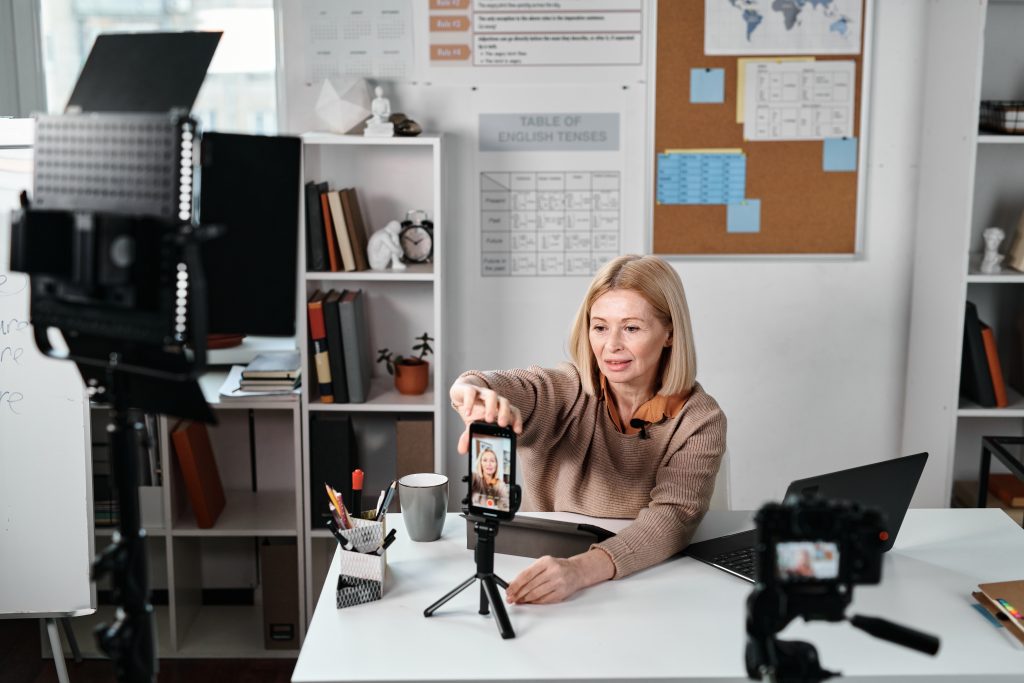
The Fix: Lean into Lo-Fi authenticity. A founder talking into a smartphone with a ring light often carries more trust and authority than an expensive commercial.
Mistake 6: No Narrative or Brand Thread Across Videos
Does your TikTok look like it was made by a Gen Z intern while your LinkedIn looks like it was made by a 1990s law firm? If a viewer watches five of your videos, can they identify your brand without seeing the logo? Most brands fail this “blind taste test.”
The Fix: Establish a video brand identity. This includes consistent color grading, recurring “characters” (team members), a signature editing style, or even a specific way you frame your shots. Your video library should feel like a TV series, not a collection of random commercials.
Mistake 7: Measuring Vanity Metrics Instead of Impact
“We got 100,000 views!” That’s great. Did any of them buy anything? Did your email list grow? Did your retention rate improve? In 2026, “Views” are cheap. Engagement that leads to zero business outcome is just an expensive hobby.
The Fix: Focus on Impact Metrics:
- Retention Rate: How long are they actually watching?
- Click-Through Rate (CTR) on CTAs: Are they taking the next step?
- Conversion Attribution: Did this video play a role in the customer journey?
Mistake 8: Not Repurposing Video Across the Funnel
Brands often think of a video as a “one and done” post. They post it to the feed, and it dies there. This is a massive waste of high-value assets.
The Fix: A single video shoot should feed your entire marketing ecosystem. That high-quality customer interview should be:
- A long-form YouTube case study.
- Three “nugget” clips for LinkedIn.
- A vertical testimonial for TikTok.
- An embedded video on a sales landing page.
- A GIF for an email nurture sequence.
What a Smart 2026 Video Strategy Looks Like
A successful brand video strategy today isn’t about the volume of posts; it’s about the precision of the plan. It’s audience-first, meaning it answers the questions your customers are actually asking. It’s platform-aware, respecting the nuances of each app. It’s AI-friendly, designed to be read and recommended by algorithms. And most importantly, it is measurable.
In 2026, video is the bridge between your brand’s promise and your customer’s trust. If that bridge is built on a shaky strategy, it won’t hold the weight of your business goals.
How Klik Digital Builds Video Strategies That Scale
At Klik Digital, we don’t just “make videos.” We build performance-driven video ecosystems. Our approach combines creative direction with distribution planning and performance tracking.
We help you identify the high-impact stories in your business, film them with an eye for authenticity, and then deploy them across the platforms where they will actually move the needle.
Ready to stop guessing and start growing? Book a Video Strategy Audit with the Klik Digital team
FAQ
- What is the biggest video marketing mistake brands make in 2026?
The biggest mistake is lack of strategic alignment. Brands produce content based on trends rather than business goals, resulting in high views but zero conversions.
- Is short-form video still worth it for brands?
Absolutely. In 2026, short-form is the primary way new audiences discover brands. However, it must be used as a “hook” to lead viewers deeper into your brand ecosystem, not just as standalone entertainment.
- How often should brands publish video content?
Quality and consistency beats frequency. It is better to publish two high-value, strategically aligned videos a week than to post daily “fluff” that confuses your audience and the AI algorithms.
- Which metrics actually matter for video performance?
While views matter for reach, Retention Rate (how long people watch) and Conversion Rate (what they do after watching) are the true indicators of success in 2026.
- How does AI affect video discovery and reach?
AI models now analyze video content (audio and visual) to understand context. If your video isn’t optimized with clear speech, captions, and metadata, AI-driven feeds won’t know who to show it to, effectively “shadowbanning” your content.
