


Digital Marketing Trends 2026: What Smart Brands Are Planning This December
Subscribe to our newsletter
Keep up with the latest news in the digital marketing arena with Klik Digital. Subscribe Now!
As the calendar edges toward 2026, the smartest brands aren’t waiting for January planning cycles. They’re already moving — quietly, strategically — this December. Why? Because the landscape they’re stepping into next year will be faster, more AI-driven, more performance-measured, and more competitive than anything we’ve seen before.
2026 marks a turning point: a year where digital marketing shifts from traditional channel-based strategies into adaptive, predictive, personalized systems fueled by AI, powered by high-quality data, and expressed through high-impact creativity.
This is the moment where early planners win — and everyone else spends the year catching up.
In this forecast, we break down the top digital marketing trends for 2026, how marketers are preparing now, and how Klik Digital turns these trends into revenue-driving strategies that move brands forward.
Why December Is the Most Strategic Month for 2026 Planning
In marketing, timing often determines advantage and December gives brands a window most competitors ignore.
Everyone Plans in January, but Smart Brands Act Early!
By the time many companies return from the holidays, create new budgets, and align teams, Q1 momentum is already lost. Early planners start campaigns before their competitors even start strategizing.
Better Forecasting, Budgeting, and Competitor Positioning
Planning in December gives teams a clear look at year-end performance, fresh data, and fewer internal bottlenecks. It’s the month where:
- Budget decisions are more objective.
- Competitor intelligence is easier to assess.
- Teams can evaluate campaigns holistically.
How Early Clarity Reduces Wasted Spend
Brands that start strategizing now allocate dollars more effectively — especially toward AI tools, automation systems, video production, and first-party data infrastructure, all of which will define 2026 growth. December isn’t downtime. It’s the runway smart brands use to launch faster.
Trend #1 — AI-Led Marketing Becomes Non-Negotiable
AI is no longer a futuristic tool or a competitive edge. It’s the new marketing infrastructure. In 2026, brands that thrive will be the ones who allow AI to support every layer of their strategy. Content workflows speed up. Customer segmentation becomes more intuitive. Analytics evolve from reactive dashboards into predictive guidance systems. At the same time, a new form of search is taking hold. Consumers are increasingly asking questions directly to AI assistants — and expecting clear, conversational answers tailored to their intent. Ranking on a search engine becomes only one piece of visibility; now brands must ensure their content is discoverable by large language models as well. Klik Digital takes a deliberate approach here, blending AI’s efficiency with human oversight. This ensures brands move faster without losing their voice, accuracy, or integrity. AI does the heavy lifting; experienced strategists make sure it’s done right.

Trend #2 — Short-Form Video Becomes the Primary Brand Channel
Short-form video has already transformed how people consume stories — but in 2026, it becomes the dominant language of brand communication. Vertical video is no longer optional; it’s the default. This shift isn’t simply about style or platform updates. It’s about how audiences choose to feel, learn, and connect.
TikTok continues to shape culture at lightning speed. Instagram and YouTube refine their discovery algorithms to match. Even LinkedIn — once considered the land of polished corporate messaging — is now driven by authentic, conversational video clips.
The power of short-form content lies in its emotional immediacy. It allows brands to be human, to express values and personality in ways that static graphics never could. In a world of endless options, a genuine moment on camera can make someone stop scrolling — and start trusting.
Trend #3 — Personalization Goes Real-Time
For years, marketers talked about personalization. But in 2026, personalization transforms into something much more dynamic. It becomes real-time, adaptive, and deeply individualized.
Instead of creating one “ideal” customer journey, brands now build systems that sense and respond to each person’s unique intent. A website shifts its content based on behavior. Recommendations evolve as quickly as preferences. Messaging adjusts not only to who the customer is, but what moment they’re in.
This level of personalization isn’t powered by simple segmentation. It’s guided by micro-moments. These are the small intent signals that reveal what someone is thinking or feeling right now. AI interprets these signals and shapes experiences accordingly, creating journeys that feel natural rather than automated. It’s marketing that listens first, responds second.
Trend #4 — Search Diversifies: SEO, AEO and LLM Optimization
Search in 2026 no longer lives in one place. People are finding information through traditional engines, AI chat systems, social platforms, and even native discovery tools built into apps. Google remains powerful, but it now shares the stage with ChatGPT Search, Perplexity, Gemini, TikTok, YouTube, Amazon, and more.
Because of this, brands must create content structured in a way that both humans and AI systems can understand. Clarity becomes an advantage. Well-defined entities, context-rich explanations, and multimedia formats help ensure the brand’s expertise is recognized and surfaced across search ecosystems.
Websites must evolve too. They need to be technically sound and semantically clear so that large language models can extract accurate information. In this new landscape, AI readability becomes as important as human readability.

Trend #5 — Data Quality Becomes a Marketing Advantage
As privacy regulations expand and third-party tracking continues to fade, brands are rediscovering the true value of their own data. In 2026, the companies that outperform competitors will be the ones who treat data like an asset — something to be refined, maintained, and protected.
High-quality first-party data enables better targeting, stronger personalization, and more confident decision-making. Marketers no longer rely on assumptions; they rely on truth. And when data is clean, campaigns become dramatically more efficient.
This has led many organizations to invest in better infrastructure — CRM refinements, improved analytics platforms, and deeper integrations that eliminate data silos. The brands that commit to data accuracy today will enjoy the strongest returns next year.
Trend #6 — Social Media Shifts to Community and Authenticity
A major shift continues to unfold across social platforms: polished content is losing influence, while authentic, community-focused content is rising. Consumers want connection, not perfection. They want to hear real stories, see real people, and interact with brands that feel human and accessible.
Micro-influencers and creators play a central role in this cultural shift. Their smaller, more engaged communities often create more meaningful impact than celebrity-level reach. User-generated content becomes a powerful form of social proof, transforming everyday customers into brand storytellers.
In 2026, social media success isn’t measured solely by reach. It’s measured by belonging — by whether people feel part of something, not simply targeted by it.
Trend #7 — Email and CRM Automation Get Smarter
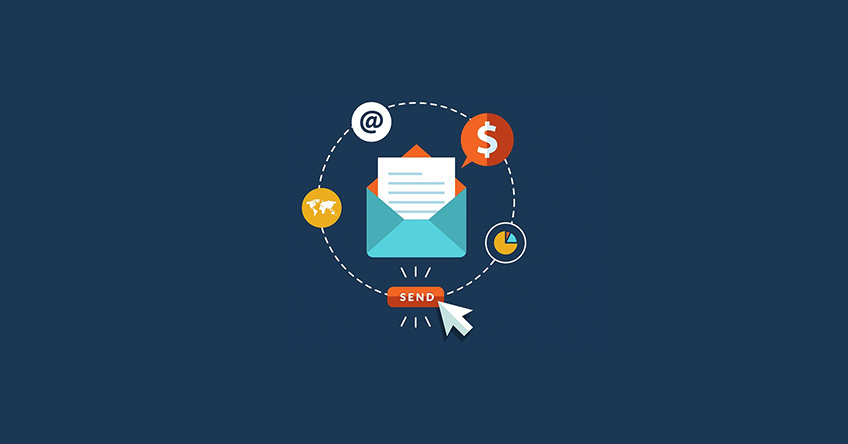
Email may be a legacy channel, but it is entering a renaissance. With smarter automation, predictive AI, and behavioral triggers, email becomes one of the most precise communication tools in a marketer’s toolkit.
Instead of rigid campaigns or monthly newsletters, brands now deploy adaptive sequences that adjust to actions across multiple channels. A person’s behavior on the website influences the emails they receive. Engagement with an ad shapes follow-up content. SMS and email operate in tandem rather than in isolation.
This level of orchestration creates a cohesive journey — one that feels curated rather than generic. And it transforms email from a routine task into a revenue engine.
Trend #8 — Performance-Driven Creative Becomes Essential
In 2026, creative strategy becomes inseparable from data. Brands can no longer rely on intuition alone; they need content that’s tested, validated, and continually optimized.
The strongest teams are embracing a new mindset: creative experimentation. They develop multiple versions of concepts, examine how each performs, refine the strongest elements, and scale what works. This creates a cycle where creativity becomes both expressive and evidence-based.
Klik Digital champions this approach. With structured experimentation and continuous improvement, creativity becomes more than an aesthetic exercise. It becomes a performance driver, a competitive advantage, and a long-term asset.
How Smart Brands Are Preparing in December (Not January)
Behind the scenes, the most forward-thinking brands approach December with intention. They use it as a moment to zoom out, evaluate, and reset before the rush of the new year pulls everyone back into execution mode.
They begin with honest audits — of their content, SEO foundation, CRM performance, audience segments, and the quality of their data. These audits reveal what’s working, what’s lagging, and where new opportunities will emerge in 2026. With this clarity, budgets shift toward the channels that matter most: AI-driven workflows, video production, analytics, and creative experimentation.
Some companies begin hiring early as well, filling skill gaps before the January talent rush makes competition fierce. Others focus on locking in Q1 campaigns, ensuring that ads, content calendars, and nurture sequences are already in motion before the holiday season ends.
The brands that plan in December don’t move faster by accident; they move faster because they give themselves the gift of time.
Klik’s Strategic Approach to 2026 Marketing
At Klik Digital, we see 2026 not just as another year of digital transformation, but as a pivotal shift in how brands communicate, perform, and grow. That’s why our approach combines full-funnel strategy, advanced analytics, and high-impact creative, guided by a deep understanding of both consumer behavior and emerging technology.
We blend AI with human expertise to create strategies that are both intelligent and deeply human. AI accelerates research, segmentation, and content production. But it’s our strategists, creatives, and analysts who shape the insights, refine the messaging, and ensure every campaign feels true to the brand behind it.
Our goal is simple: to turn trends into measurable growth. To help brands avoid the noise, focus on what matters, and build marketing systems that get stronger month after month. When done well, 2026 becomes not a challenge but an opportunity.
Start 2026 with a winning strategy — book your digital marketing planning session with Klik.
FAQ
AI-led marketing, short-form video, real-time personalization, AEO and LLM optimization, first-party data strategies, community-driven social content, smarter CRM automation, and performance-driven creative.
Allocate more toward AI tools, content production (especially video), CRM automation, analytics, and data infrastructure.
Most need both. AI accelerates execution, but an agency provides strategy, oversight, and creative excellence — the pieces AI alone cannot replace.
We offer full-funnel strategy, execution, and analytics, ensuring brands adopt 2026 trends in a way that drives revenue, not complexity.
