


2026 Will Change Everything: Here’s What Digital Marketers Need to Do Before January
Subscribe to our newsletter
Keep up with the latest news in the digital marketing arena with Klik Digital. Subscribe Now!
Digital marketing is no stranger to constant change. Every year brings new platforms, new algorithms, and new metrics. But 2026 is fundamentally different.
This isn’t just an iteration. It’s a reset of the digital ecosystem. The rapid integration of Artificial Intelligence (AI) into search, content creation, and consumer behavior—combined with the final sunset of third-party cookies—is forcing marketers to discard old playbooks and adopt completely new strategies.
Waiting until January to address these shifts means playing catch-up for the entire year. The brands that gain the advantage in 2026 will be the ones that spent the last weeks of the current year planning, auditing, and executing their strategic preparations.
Klik Digital knows that confusion breeds inaction, and inaction leads to lost market share. Our goal is to cut through the noise, show you exactly what needs to be done before the clock strikes midnight on New Year’s Eve, and position you for measurable growth.
Why 2026 Will Reshape Digital Marketing
The convergence of technological maturity and regulatory pressure is creating a perfect storm, resetting the competitive landscape.
AI Is Becoming the Center of Search, Content, and Analytics
AI is no longer just a tool; it is the infrastructure.
- Search: AI Overviews, Generative Experience (SGE), and Large Language Models (LLMs) are radically changing how users find information, often summarizing answers without users clicking through to a website.
- Content: AI tools accelerate content production, creating an unprecedented volume of information. This means the bar for human-quality, differentiated, and authoritative content is higher than ever.
- Analytics: AI is moving beyond simple reporting to predictive modeling, forecasting campaign performance, and identifying non-obvious audience segments.
Fragmented Search: Google + ChatGPT Search + Perplexity + Gemini
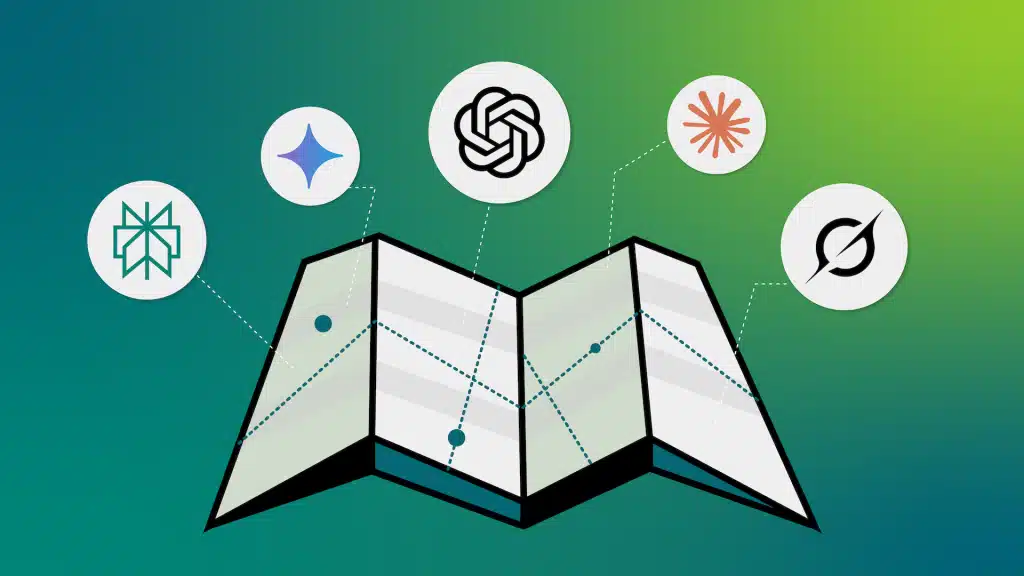
For years, “SEO” meant “optimizing for Google.” Now, the search landscape is fragmenting. Users are relying on specialized AI interfaces and LLMs (like ChatGPT, Perplexity, and Google Gemini) for direct answers. Marketers must optimize their content not just for traditional search engines, but for these new conversational, aggregated environments. This shift demands a focus on Entity-Based Content and Semantic Clarity.
Personalization Becomes an Expectation, Not an Advantage
Basic personalization (inserting a customer’s name in an email) is table stakes. In 2026, consumers expect hyper-relevant, contextually aware experiences across every touchpoint. This is only possible with clean, unified, and real-time first-party data.
Brands Face Attention Scarcity and Rising Content Volume
As AI drives the content supply up exponentially, the scarcity of human attention becomes the ultimate currency. Winning in 2026 means creating content that is undeniably valuable, highly engaging (often video-first), and delivered through channels tailored to the customer’s journey.
What Marketers Must Do Before January
The strategic work you complete this month will determine your competitive footing for the entire year. Focus on these eight critical action areas:
Action Area #1 — Rebuild Your SEO and AI Visibility Strategy
The old keyword-and-backlink model is evolving. Optimize your content for understanding, not just ranking.
- Entity-Based Content, Structured Data, Semantic Clarity: Ensure your website uses schema markup correctly, clearly defining who you are, what you offer (entities), and how those entities relate. This clarity feeds directly into LLMs and SGE.
- AI Search Optimization (AEO, LLM Optimization): Optimize content so it can be easily summarized and sourced by AI models. This often means providing clear, definitive answers and citing primary sources.
- Prepare Content for Multimodal Search (Video, Images, Text): Search is increasingly visual and auditory. Ensure your video transcripts are accurate, and your images have descriptive alt text and context.
Why December Matters: Google shifts, AI interfaces, and ranking volatility mean brands must adjust their content architecture before Q1. Changes deployed now will start demonstrating authority just as the 2026 marketing calendar begins.
Action Area #2 — Finalize a 2026 Video-First Content Roadmap
Video is no longer a “nice-to-have” content format. It is the dominant language of social media and increasingly search.
- Vertical Storytelling as a Brand Foundation: Prioritize short-form, vertical video (Reels, TikTok, Shorts) for building top-of-funnel awareness and driving community engagement.
- Short-Form Video for Awareness; Long-Form Video for Conversion: Use punchy short-form content to capture initial attention, then leverage long-form content (YouTube, webinars) to build deep trust and educate buyers.
- Repurposing Systems to Scale Content Fast: Build processes to break down one piece of long-form video (e.g., a podcast or masterclass) into dozens of short clips, quote graphics, and blog posts.
- Importance of Consistency Over Production Perfection: Authenticity wins over excessive polish. Focus on establishing a consistent publishing rhythm rather than delaying content for marginal production gains.
Action Area #3 — Clean and Strengthen Your First-Party Data
The deprecation of third-party cookies is imminent. Your ability to target, personalize, and measure ROI in 2026 depends entirely on the quality of the data you own.
- CRM Hygiene, Segmentation Updates, Data Unification: Dedicate time this month to cleaning out stale contacts, unifying customer records across platforms, and creating sophisticated audience segments based on behavior, not just demographics.
- Prepare for Cookie-less Targeting and Privacy Tightening: Implement Server-Side Tagging and explore alternative identifiers (like Unified ID 2.0 or context-based targeting) to maintain measurement accuracy.
- Data → Personalization → ROI: The cleaner your data, the more precise your personalization, leading directly to higher conversion rates and return on investment.
Why December Matters: Fix, Integrate, and test your data pipelines before Q1 campaigns begin. Poor data hygiene will cripple your ability to execute targeted campaigns in the new year.
Action Area #4 — Build Your 2026 Omnichannel Framework
The customer journey is fluid and non-linear. Your strategy must reflect this reality.
- Clear Roles for Paid, Organic, Email, Website, and Social: Define the specific objective of each channel (e.g., Paid drives immediate lead generation; Organic builds trust; Email nurtures conversion) and ensure they are not competing for the same audience in the same way.
- Unifying Messaging Across Channels: Use your strong brand messaging (Action Area #8) to create a single, cohesive narrative. Consistently deliver your messagingwhether a user sees a TikTok ad, receives an email, or reads a blog post.
- Automating Customer Journeys and Triggers: Map out complex customer journeys and use marketing automation tools to deliver timely, contextually relevant content based on user behavior (e.g., website activity, cart abandonment).

Action Area #5 — Adopt AI Tools the Right Way (Not Randomly)
The market is flooded with AI tools. Strategic adoption is about selecting and integrating tools that deliver verifiable business impact, not chasing shiny objects.
- Approved AI Tools for Content, Analytics, Creative Testing: Standardize the AI tools used across your team (e.g., one approved tool for copywriting, one for data visualization) to ensure consistency and training efficiency.
- Governance, Accuracy, and Brand Voice Protection: Establish clear guidelines for AI use, including mandatory fact-checking and editing by human experts. Implement training to ensure AI output strictly adheres to your established brand voice.
- How Smart Marketers Use AI to Increase Output Without Losing Quality: Use AI to manage the “first draft” or the repetitive tasks (A/B testing ideas, basic analytics reports). Reserve human time for strategic thought, deep creative refinement, and empathetic connection.
Action Area #6 — Set Your Q1 Campaigns Before the Holidays End
The holiday slowdown is your opportunity to achieve massive momentum for the new year.
- Pre-scheduling Content, Ads, Email Sequences, Landing Pages: Finalize Q1 creative assets, ad copy, and landing pages. Load them into your systems and schedule them to go live on January 1st or shortly after.
- Creating January Momentum Instead of Scrambling: Starting Q1 with active campaigns means generating leads and sales immediately, while competitors are still in the planning phase.
- Your Q1 Performance Depends on Work Done Before January: The insights you gather from early Q1 performance dictate your success for the rest of the year. Don’tdelay the launch date.
Action Area #7 — Reassess Budget Allocation for 2026 Priorities
Old budgets cannot support new strategies. Adjust your 2026 spending to reflect the new landscape.
- More Budget Toward Video, AI, Analytics, Community Building: Shift resources away from static content production and traditional display ads towards high-engagement formats and the tools needed to measure them.
- Reduce Spend on Outdated Channels or Low-ROI Content: Audit your 2025 performance. Cut budget from channels that failed to deliver measurable ROI (e.g., older social platforms, certain SEO tactics).
- Invest in Creative Testing and Performance Insights: Dedicate a specific budget for rigorous A/B testing, platform experimentation, and deep performance analysis. Data is your most valuable asset.
Action Area #8 — Strengthen Brand Messaging for an AI-Dominated Landscape
In a world drowning in AI-generated content, unique, human-centric messaging is the ultimate differentiator.
- Clear Positioning Beats Algorithm Noise: Define what your brand stands for, what unique problem you solve, and why a human should trust you. This clarity is your antidote to algorithmic sameness.
- Brand Differentiation Becomes Essential for SEO and Content: When AI searches for the “best answer,” it will favor brands with demonstrated authority, consistent voice, and clear expertise—not generic content.
- Why Brands with Strong Messaging Win Across Every Channel: Strong messaging provides the cohesive narrative for your omnichannel framework, ensuring every piece of content reinforces your unique value.
How Klik Digital Helps Marketers Enter 2026 With Confidence
The complexity of 2026 demands a partner with end-to-end expertise. Klik Digital is positioned to help your brand not just survive but thrive.
- Strategic Planning + Creative + Analytics + AI: We provide a unified approach, ensuring that deep data informs your creative output and strategic AI integration is the power source.
- Content Systems, Video Systems, SEO Systems: We don’t just create content; we build scalable operational systems—from automated repurposing flows to structured data architecture—that ensure continuous visibility and efficiency.
- Performance Dashboards and Measurement Frameworks: We implement robust measurement frameworks and real-time dashboards that cut through the noise, giving you clear, actionable insights into ROI.
- End-to-End Digital Transformation for Marketing Teams: We become your strategic consultants and implementation partners, helping your team successfully navigate and deploy the new technologies and strategies required for 2026 success.
Start 2026 with an advantage: book your digital marketing strategy planning session with Klik.
FAQs
The biggest shift is the move from the “traditional search engine” to the AI Generative Experience (AEO). Users will increasingly receive answers summarized by AI (SGE, ChatGPT, Gemini), requiring marketers to optimize for the AI’s understanding (entities, semantic clarity, structured data) rather than solely for the old ranking signals.
Brands must invest in both, but AI should be used to supercharge creative output. Invest in AI tools to automate repetitive tasks, test variations, generate first drafts (speed), and then invest human capital in strategic oversight, creative refinement, and building deep brand messaging (quality). Quality differentiated creative is the ultimate winner against AI-generated noise.
A business is ready if it has two key elements: 1) Clean, centralized first-party data (AI relies on good data), and 2) Established governance over AI usage (clear policies on fact-checking, brand voice, and legal liability). If your data is messy or your team is using unapproved AI tools without oversight, you are not ready.
Klik provides a full-service strategic planning session that includes a comprehensive audit of your current data, content, and technology stack. We help you create a prioritized roadmap for 2026, focusing on AI adoption, video content systems, and data-centric measurement, ensuring a seamless and high-performing transition into the new year.
